

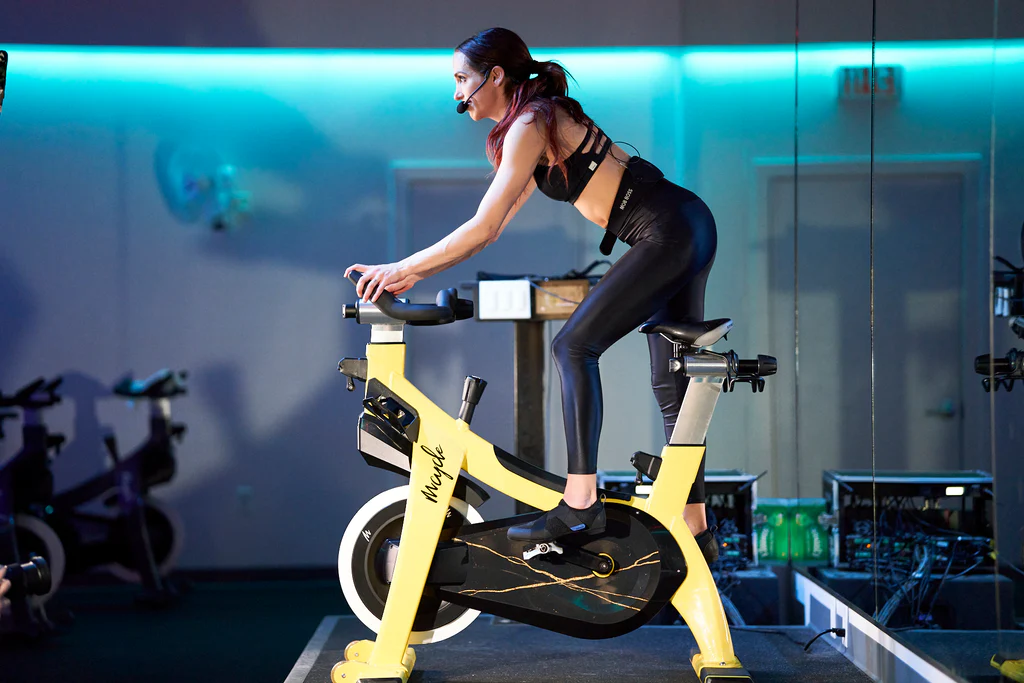
Cycling indoors has grown far beyond being a simple cardio option. For many in Singapore, an indoor spin class is now a structured training environment where biomechanics, science, and technique directly influence long-term performance. While many riders measure progress through calories burned or distance covered, very few consider the deeper mechanics of posture, pedal strokes, and joint alignment. In reality, these factors not only improve results but also safeguard against injuries that can derail consistency.
At the same time, leading fitness providers such as TFX are setting new standards by combining data-driven coaching with evidence-based methods that focus on biomechanics. This approach is reshaping how indoor cycling is perceived, moving it from a casual workout to a precise fitness science.
Why Biomechanics Matters in Indoor Cycling
Biomechanics is the study of how the body moves. In the context of indoor spin class, it refers to how the muscles, joints, and bones coordinate during pedalling. Correct biomechanics ensures energy is transferred efficiently from the body to the bike, reducing unnecessary strain on sensitive joints like the knees and lower back. Poor alignment, on the other hand, can cause wear-and-tear injuries even if the rider does not feel pain during the session.
-
Energy Efficiency: Proper biomechanics allow the rider to conserve energy and sustain higher intensity for longer periods.
-
Injury Prevention: Correct posture prevents overuse injuries, particularly to the hips, knees, and ankles.
-
Performance Enhancement: Riders can push greater power while reducing wasted effort caused by poor form.
Understanding the Pedal Stroke Cycle
A pedal stroke is more complex than pushing down with the foot. Sports scientists divide the cycle into four phases:
-
Power Phase (1 to 5 o’clock): The leg pushes down, generating maximum force.
-
Transition Phase (5 to 7 o’clock): The foot sweeps back, engaging the hamstrings.
-
Recovery Phase (7 to 11 o’clock): The opposite leg pulls up, activating hip flexors.
-
Transition to Power (11 to 1 o’clock): The cycle resets with a smooth transition.
When executed properly, all phases blend into a fluid motion that maximises energy transfer. Many beginners only engage in the power phase, which overworks the quadriceps and limits efficiency. Advanced riders focus on full-circle pedalling, reducing wasted motion and balancing muscle recruitment.
The Role of Bike Setup in Biomechanics
Indoor cycling bikes are highly adjustable, yet many riders fail to customise them. A poorly adjusted bike forces the body into unnatural positions, increasing injury risks.
-
Saddle Height: If too high, riders overextend their knees, straining the hamstrings. If too low, pressure builds on the knee joint. The optimal height allows a slight bend in the knee at the bottom of the pedal stroke.
-
Handlebar Position: Too low a handlebar strains the lower back and neck. A higher handlebar may reduce aerodynamics but protects posture for long sessions.
-
Saddle Fore-Aft Position: This determines the angle of force applied to the pedals. If the saddle is too far forward, knees bear more pressure. Too far back, and hips overcompensate.
Professional instructors often recommend a quick biomechanical check before each session to avoid long-term strain.
Joint Health and Long-Term Indoor Cycling
Cycling is known as a low-impact exercise, but repetitive strain can still accumulate. Research in sports medicine shows that knee pain is the most common complaint among indoor cyclists. This is often due to improper alignment, not the activity itself.
-
Knee Tracking: The knees should move in line with the feet, not inward or outward.
-
Hip Stability: Strong glutes stabilise the hips, reducing excess lateral movement.
-
Ankle Flexion: Maintaining a neutral ankle position avoids tendon stress.
Instructors trained in biomechanics can observe a rider’s form and make small corrections that drastically improve comfort and safety.
Core Engagement and Posture
A common misconception is that cycling only trains the legs. In reality, a strong core stabilises the entire body, reducing unnecessary motion that wastes energy. Riders who slump forward put excessive stress on the spine and shoulders. By engaging the core and keeping the back neutral, power delivery improves while upper body fatigue decreases.
-
Maintain a neutral spine without hunching.
-
Keep shoulders relaxed rather than shrugged.
-
Engage abdominal muscles to stabilise the pelvis.
This combination ensures maximum endurance and reduced injury risk during long or intense sessions.
Resistance and Cadence: Finding the Right Balance
Biomechanics is not only about form but also about how resistance and cadence interact. Many riders mistakenly spin at very high cadences with little resistance, which creates momentum-driven rather than muscle-driven movement. Conversely, too much resistance at low cadence places excessive strain on the joints.
The ideal range for endurance sits around 80 to 100 revolutions per minute (RPM), with resistance adjusted to maintain controlled effort. Power-based training systems in modern spin studios help riders find the sweet spot between strength and speed, optimising muscle recruitment.
Biomechanics for Different Rider Profiles
For Beginners
-
Focus on proper saddle and handlebar setup.
-
Learn the correct pedal stroke using simple drills such as single-leg cycling.
For Intermediate Riders
-
Incorporate resistance intervals to build strength while maintaining alignment.
-
Begin monitoring cadence and power zones to identify biomechanical efficiency.
For Advanced Riders
-
Apply biomechanical corrections to improve pedal smoothness at high intensity.
-
Use heart rate and power data to optimise training within safe joint limits.
The Role of Coaching in Biomechanics
Even with the best intentions, self-correction is challenging. Qualified instructors add significant value by observing micro-movements. Many spin studios in Singapore now include biomechanics-focused training where instructors give real-time adjustments. These sessions are particularly valuable for those training for marathons, triathlons, or long-term fitness goals, where precision and sustainability matter most.
Beyond the Bike: Strength Training for Better Biomechanics
Indoor cycling alone cannot correct all imbalances. Supplementary exercises are necessary to build stability and prevent injuries.
-
Glute Bridges and Squats: Enhance hip stability.
-
Planks and Dead Bugs: Strengthen the core for better posture.
-
Calf Raises: Improve ankle resilience and power transfer.
Incorporating these workouts ensures the body remains balanced and prepared for repetitive cycling movements.
Real-Life Applications of Biomechanical Awareness
Consider an office professional who sits for long hours daily. When such an individual joins an indoor spin class without correcting tight hip flexors or weak glutes, the misalignment worsens. However, with biomechanical adjustments, cycling becomes therapeutic rather than harmful. Riders often report reduced lower back pain, improved running performance, and stronger posture in daily life when they focus on biomechanics.
FAQs About Biomechanics in Indoor Spin Class
Q. Can poor bike setup really cause long-term injuries?
Yes. Consistently riding with improper saddle height or handlebar position places repeated stress on the knees, hips, or back, which may lead to chronic pain.
Q. Is indoor cycling safe for people with existing knee pain?
It depends. With proper setup and biomechanical guidance, spin classes can actually strengthen muscles around the knee and reduce pain. However, consultation with a physiotherapist is advised.
Q. Do I need special shoes for biomechanical efficiency?
Cycling shoes that clip into pedals improve pedal stroke efficiency by engaging more muscles throughout the stroke cycle. This reduces strain on specific muscle groups.
Q. How does biomechanics affect weight loss goals in spin class?
Proper biomechanics allow you to ride longer and harder without discomfort, leading to higher calorie burn and sustainable results.
Q. Can biomechanics improve athletic performance outside cycling?
Absolutely. Athletes from running, football, and rowing use spin sessions to cross-train. Biomechanical precision ensures they gain cardiovascular benefits without overloading their joints.
Final Thoughts
An indoor spin class is more than just an energetic group workout. It is a finely tuned practice where biomechanics play a central role in both performance and health. By understanding pedal stroke mechanics, ensuring correct posture, and aligning the body properly, riders can unlock long-term gains without risking injury. For those in Singapore seeking structured training and scientific precision, incorporating biomechanical awareness into every ride ensures not just fitness but lasting wellbeing.