

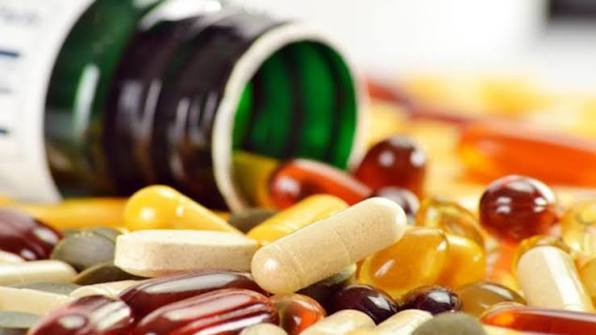
Dietary supplements have transformed from niche wellness products into everyday household staples across the United States. Millions of adults incorporate vitamins, minerals, botanicals, and specialty compounds into their daily routines with the goal of improving vitality, supporting longevity, and protecting against nutritional gaps. While modern food systems provide abundant calories, they frequently fall short of supplying optimal micronutrient levels due to intensive agricultural soil depletion, heavy food processing, and fast-paced lifestyle habits. Consequently, supplementation offers an efficient method to reinforce nutritional foundations, provided that individuals approach the practice with critical evaluation and accurate physiological knowledge.
Understanding the fundamental biological role of dietary supplements is essential before selecting any regimen. These products are intended to supplement the diet, not replace real, whole foods. Whole foods provide complex synergistic matrixes of fiber, phytonutrients, enzymes, and water that pills, powders, and liquids cannot duplicate. When an individual consumes a balanced, nutrient-dense diet alongside precise, targeted supplementation, the body can better achieve metabolic equilibrium. The true utility of these products lies in their ability to resolve verified deficiencies, support elevated metabolic demands during stress or athletic performance, and supply therapeutic doses of compounds that are difficult to obtain purely through standard meals.
Navigating the contemporary marketplace requires careful discernment because supplements are regulated differently than conventional pharmaceutical drugs. Under the Dietary Supplement Health and Education Act of 1994, supplements are categorized under the general umbrella of foods rather than medications. This means manufacturers do not need pre-market approval from the Food and Drug Administration to demonstrate efficacy before their products hit store shelves. Instead, regulatory enforcement generally occurs post-market if a safety concern arises. Because of this framework, the responsibility falls largely upon the consumer to distinguish between clinically verified formulations and low-grade, overhyped commodities.
Essential Micronutrients and Targeted Health Applications
Micronutrients form the baseline of human metabolic function, operating as vital coenzymes in cellular energy generation, immune surveillance, hormone synthesis, and structural repair. Vitamin D3, often paired with vitamin K2, remains one of the most widely necessary supplements due to indoor lifestyles and limited dietary sources. Vitamin D functions more like a secosteroid hormone than a basic vitamin, exerting regulatory influence over hundreds of genetic pathways related to calcium absorption, bone mineralization, and cardiovascular health. Vitamin K2 directs this absorbed calcium away from soft arterial walls and straight into skeletal matrixes, demonstrating how micronutrients function best in synergistic pairs rather than isolation.
Magnesium stands out as another common deficiency across modern populations due to refined food processing. This essential mineral participates as an enzymatic cofactor in more than three hundred biochemical processes, including neuromuscular transmission, protein synthesis, and blood glucose management. Different chelates of magnesium provide distinct physiological advantages. Magnesium glycinate is prized for its high bioavailability and gentle digestive impact, making it ideal for evening muscle relaxation and nervous system balance. In contrast, magnesium malate serves cellular energy creation during physical output, while magnesium citrate acts primarily as an osmotic laxative to assist intestinal motility.
Omega-3 fatty acids, predominantly eicosapentaenoic acid and docosahexaenoic acid derived from cold-water fish or marine algae, represent another vital category of modern supplementation. Modern industrial diets routinely supply excessive ratios of omega-6 fatty acids derived from refined seed oils, shifting cellular physiology toward systemic inflammation. Concentrated omega-3 supplementation counteracts this imbalance by incorporating flexible, anti-inflammatory fatty acid chains into cellular membranes throughout the brain, retina, and vascular lining. Consistent consumption supports cognitive performance, regulates blood lipid panels, preserves joint cartilage mobility, and tempers widespread low-grade inflammatory stress.
Botanical Extracts and Adaptogenic Compounds
Herbal and botanical supplements provide therapeutic compounds developed through plant evolutionary defense mechanisms. Unlike essential vitamins, botanicals are typically utilized to modulate specific physiological stress responses rather than sustain basic survival. Adaptogens represent a unique class of herbal compounds that normalize neuroendocrine function via the hypothalamic-pituitary-adrenal axis. Rather than serving as direct stimulants or sedatives, adaptogens help the central nervous system sustain resilience against acute environmental, cognitive, and physical stressors.
Ashwagandha, scientifically classified as Withania somnifera, is an extensively researched adaptogen known to regulate cortisol balance and reduce subjective stress markers. Its active constituents, known as withanolides, enhance gamma-aminobutyric acid receptor sensitivity in the brain, fostering calm mental clarity without daytime drowsiness. Similarly, Rhodiola rosea works primarily to combat cognitive fatigue and physical exhaustion under prolonged periods of sustained exertion. By protecting monoamine neurotransmitters like dopamine and serotonin from premature enzymatic breakdown, Rhodiola helps maintain mental stamina, concentration, and mood balance during demanding professional or athletic environments.
Plant extracts like curcumin, the active polyphenol found in turmeric root, have gained immense clinical interest for their ability to manage chronic inflammatory cascades. Curcumin suppresses nuclear factor kappa B, an intracellular signaling switch that triggers widespread inflammatory cytokine production. Despite these profound properties, native curcumin possesses poor natural intestinal absorption and rapid hepatic elimination. Modern botanical formulations solve this pharmacokinetic barrier by pairing curcumin with black pepper extract piperine or by suspending it in lipid-based phytosome carriers, significantly increasing bioavailability and tissue saturation.
Strategic Selection, Quality Verification, and Safety Protocols
Choosing dependable supplements requires a systematic evaluation of manufacturing standards, ingredient sourcing, and bioavailable compound forms. Consumers should always verify whether a product carries certifications from independent, third-party testing organizations such as the United States Pharmacopeia, NSF International, or ConsumerLab. These independent bodies evaluate finished batches to confirm that the bottle contains the precise quantities claimed on the label without toxic heavy metals, synthetic adulterants, microbiological contamination, or residual chemical solvents.
Scrutinizing the supplement facts panel separates advanced formulations from budget formulations loaded with cheap fillers. Low-quality manufacturers frequently rely on poorly absorbed chemical salts such as magnesium oxide, zinc oxide, or cyanocobalamin because they are inexpensive to produce. In contrast, high-tier products feature bioidentical or chelated structures such as zinc picolinate, methylcobalamin, and amino-acid-bound minerals, which navigate intestinal transport channels with superior bioavailability. Furthermore, evaluating inactive excipients is equally critical, as clean formulations avoid unnecessary artificial colorings, synthetic hydrogenated binders, titanium dioxide, and allergenic flowing agents.
Safety considerations demand consistent awareness regarding timing, dosing, and physiological contraindications. Fat-soluble vitamins, including vitamins A, D, E, and K, accumulate in adipose tissue and hepatic reserves over time, creating a real risk of toxicity if consumed in chronically excessive doses without regular blood monitoring. Water-soluble compounds like vitamin C and the B-complex group generally carry a wider safety margin, though massive dosages can still trigger renal strain or intestinal distress. Individuals must also account for potent drug interactions, as seen with St. John’s Wort accelerating pharmaceutical clearance through liver enzyme induction, or concentrated botanical blood-thinners compounding prescription anticoagulant medications. Responsible supplementation begins with conservative titration and thorough medical transparency.
Frequently Asked Questions
How does an individual verify personal nutritional deficiencies before starting a routine?
Comprehensive clinical blood work ordered through a physician provides an objective baseline. Common diagnostic panels evaluate serum ferritin, total 25-hydroxy vitamin D, red blood cell magnesium, serum zinc, methylmalonic acid for cellular vitamin B12 status, and high-sensitivity inflammation markers.
Do fat-soluble vitamins require specific dietary conditions for proper absorption?
Fat-soluble nutrients including vitamins A, D, E, and K require the presence of dietary lipids in the stomach to trigger bile acid release and micelle formation in the small intestine. Consuming these specific supplements alongside a meal containing healthy fats like eggs, avocado, olive oil, or nuts ensures optimal absorption into the lymphatic system.
What is the practical difference between natural botanical extracts and standardized extracts?
Standardized extracts guarantee a consistent, verified percentage of the active therapeutic compound across every manufactured batch, regardless of seasonal crop variations. Whole, unstandardized plant powders simply contain ground raw matter, which can lead to unpredictable therapeutic potency and variable concentrations from one bottle to the next.
Can long-term supplement consumption lead to organ strain or digestive toxicity?
Excessive supplementation can strain the kidneys and liver, which are responsible for processing, filtering, and clearing metabolic waste products. Taking high doses of non-essential minerals or poorly formulated supplements containing unlisted contaminants forces these organs to manage elevated toxic burdens, potentially causing cellular irritation or organ stress over sustained periods.
Why do synthetic vitamin forms often differ from whole-food complex supplements?
Synthetic vitamins are isolated molecular structures manufactured via chemical or microbial processes, offering precise, high-potency dosing. Whole-food supplements are derived from concentrated, dehydrated real food sources, providing lower individual nutrient doses alongside naturally occurring enzymes and flavonoids that enhance overall biological synergy.
How should someone schedule supplements throughout the day to avoid gastrointestinal irritation?
Mineral chelates, acidic compounds, and fat-soluble formulations are best consumed mid-meal to prevent common side effects like nausea or stomach cramps. Energizing nutrients such as B-complex vitamins and Rhodiola should be taken alongside breakfast, while relaxation-promoting minerals like magnesium are ideal with dinner or before bed.
What indicators suggest that an individual should immediately discontinue a new supplement?
Unfavorable symptoms including sudden skin rashes, hives, persistent digestive cramping, unexplained headaches, elevated resting heart rates, or unusual fatigue warrant immediate cessation. These signs often point toward an acute allergic reaction, compound intolerance, or an adverse biochemical response requiring professional evaluation.