

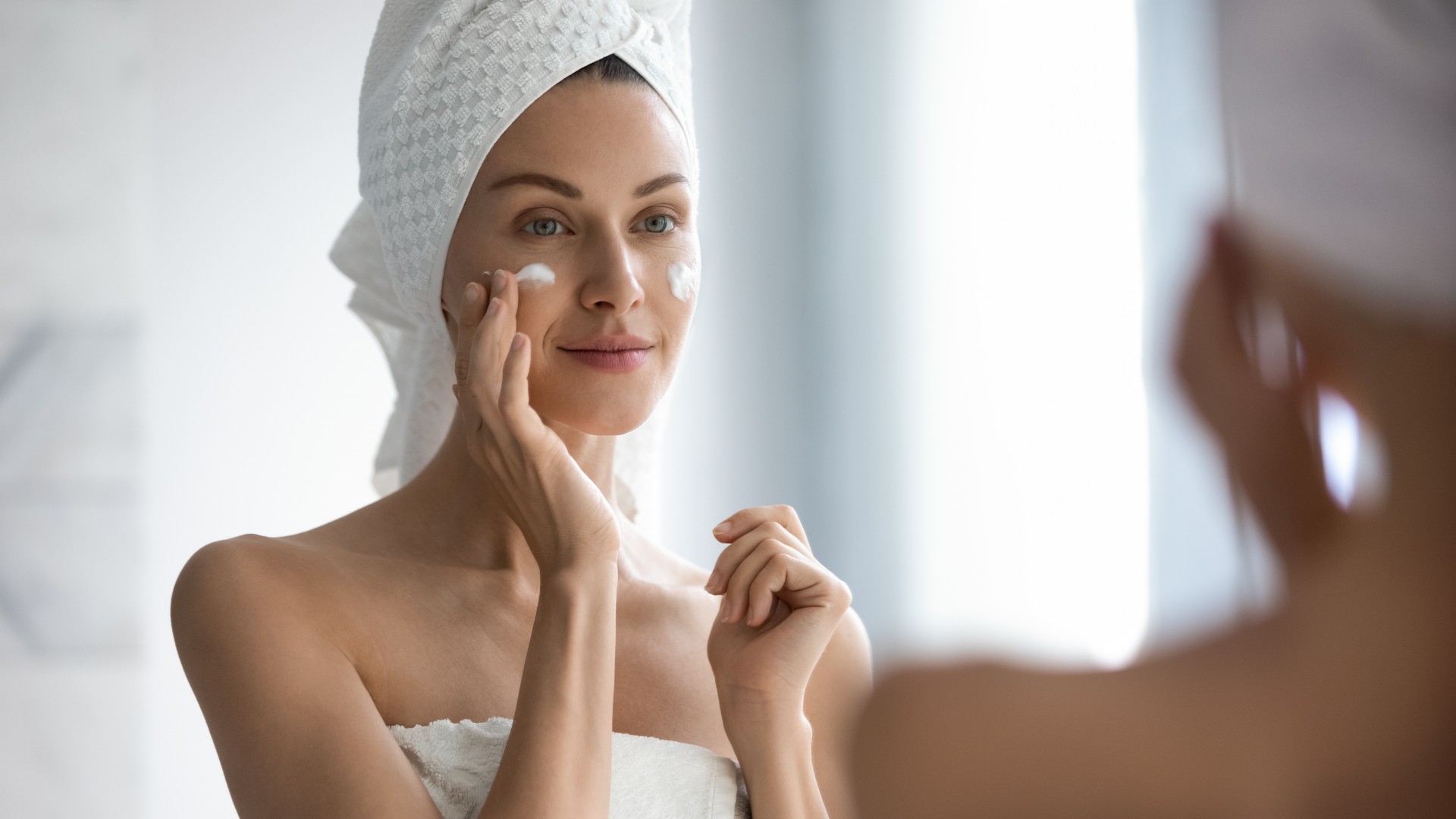
Fermentation has sustained human civilization across thousands of years, preserving vital food sources and unlocking culinary complexity through bread, tea, wine, and cultured dairy. In recent decades, cosmetic chemists and dermatological researchers recognized that the biological transformations defining dietary fermentation hold equal potential for topical dermatological formulations. Pioneered largely within Asian beauty traditions and subsequently adopted into modern global cosmetic science, fermented skincare has transformed from a niche concept into an established staple of contemporary formulation design.
The growing popularity of fermented skincare is not merely a transient marketing trend. It represents a fundamental shift toward bio-compatible cosmetic formulations that prioritize cutaneous health, natural barrier resilience, and gentle delivery systems. By utilizing friendly microorganisms such as yeast, bacteria, and microscopic fungi to break down organic botanicals, cosmetic formulators can extract and synthesize compounds with higher physiological efficacy than their unfermented precursors.
The Biochemical Process of Fermentation in Skincare
At its core, fermentation is an anaerobic metabolic process wherein microorganisms utilize organic compounds, typically carbohydrates and proteins, as energy sources. In skincare laboratories, raw botanical inputs such as green tea leaves, rice grains, marine algae, ginseng roots, and soy proteins are placed into controlled bioreactors. Specific beneficial strains of bacteria or yeast, such as Lactobacillus, Bifida, Saccharomyces, and Galactomyces, are carefully introduced under strict temperature, pH, and sterility controls.
During this incubation, the microorganisms release specialized extracellular enzymes that systematically dismantle the complex cellular matrices of the plant matter. Complex starches, polysaccharides, and dense proteins are broken down into smaller constituent parts. Rather than relying on harsh thermal processing or synthetic chemical extraction methods that can degrade fragile organic compounds, biological fermentation serves as a clean, enzyme-driven refinement method. Once the target transformation is achieved, the mixture undergoes rigorous multi-stage filtration to isolate the nutrient-rich postbiotic broth, ensuring that no live cultures remain while retaining their concentrated, beneficial molecular outputs.
Superior Molecular Bioavailability and Deeper Penetration
The human skin barrier, primarily managed by the outermost stratum corneum, functions as an exceptional physical shield designed to prevent external substances from penetrating the body. Standard botanical extracts often struggle to deliver their full theoretical benefits because their native molecular structures are simply too large to cross this protective lipid-protein matrix. When a high-molecular-weight compound sits unabsorbed on the surface, its active nutritional elements cannot reach living epidermal layers.
Fermentation directly resolves this fundamental absorption challenge through natural enzymatic cleavage. By breaking down bulky plant polymers into low-molecular-weight components, the process drastically reduces particle size. Complex proteins convert into simple amino acids, dense polysaccharides divide into simple sugars, and bound polyphenols release their free active structures. These downsized molecules navigate intercellular spaces far more easily, migrating into the epidermal architecture where they can interact constructively with native cutaneous systems. Consequently, skin treated with fermented extracts experiences vastly enhanced hydration and nutrient delivery compared to surfaces treated with conventional, unfermented plant extracts.
The Synthesis of Novel Skin-Benefiting Nutrients
Fermentation does far more than simply split existing ingredients into smaller pieces. The metabolic activity of microorganisms actively creates entirely new biological compounds that were absent in the raw starting material. As microorganisms feed on sugars and amino acids, they produce an abundance of beneficial byproducts, known in dermatological science as postbiotics.
These synthesized byproducts include a broad spectrum of vital nutrients such as essential B-complex vitamins, natural organic acids, protective peptides, and concentrated antioxidants. A prime example is the natural synthesis of alpha hydroxy acids like lactic acid during bacterial fermentation. Rather than adding harsh synthetic acids to a formula, naturally derived organic acids created through fermentation gently dissolve desmosomal bonds between dead cells while simultaneously binding water to the surface. Furthermore, the concentration of free radical-neutralizing polyphenols increases substantially after fermentation, supplying the skin with potent defensive compounds that scavenge environmental reactive oxygen species before tissue degradation occurs.
Reinforcing the Skin Moisture Barrier and Acid Mantle
The stratum corneum relies on a delicate physiological equilibrium composed of intercellular lipids—primarily ceramides, cholesterol, and free fatty acids—alongside an acidic surface environment known as the acid mantle. Disruptions caused by over-cleansing, aggressive treatments, and environmental stressors deplete this protective shield, manifesting as dryness, irritation, redness, and reactive sensitivity. Fermented formulations excel at replenishing and stabilizing this exact defensive matrix.
Fermentation broths contain dense profiles of essential amino acids and monosaccharides that structurally match the skin’s natural moisturizing factor. When applied topically, these biocompatible elements integrate effortlessly with surface keratinocytes, sealing in moisture and noticeably curtailing transepidermal water loss. Additionally, the mild organic acids naturally synthesized during fermentation assist in maintaining an optimal slightly acidic cutaneous pH around five point five. This balanced acidity deters pathogenic bacterial colonization while creating the ideal biochemical environment for the skin’s endogenous lipid-synthesizing enzymes to construct fresh ceramides.
Supporting Cutaneous Microbiome Harmony
Modern dermatological science views the skin not as a static, inert wrapper, but as a thriving, dynamic ecosystem populated by trillions of microscopic bacteria, yeasts, and mites. This delicate collective, known as the cutaneous microbiome, is responsible for communicating with local immune cells, controlling opportunistic pathogens, and preserving barrier resilience. Modern urban living, heavy chemical preservatives, and excessive sterilization can decimate this fragile micro-community, paving the way for chronic inflammatory disorders.
While topical fermented skincare products rarely contain viable live bacteria due to modern safety and preservation standards, they are packed with prebiotics and postbiotics. Prebiotics act as a biological nourishment source for native beneficial microbes like Staphylococcus epidermidis, encouraging balanced colonies to thrive. Concurrently, postbiotic lysates and antimicrobial peptides produced by fermentative organisms naturally inhibit the unchecked overgrowth of troublesome microbes, including Cutibacterium acnes and Staphylococcus aureus. By creating an environment where healthy native microflora prosper, fermented ingredients help keep inflammation low and biological defenses high.
Soothing Reactive Complexions and Improving Tolerance
An understated advantage of fermentation is its capacity to naturally neutralize common plant allergens and irritants. Certain raw botanical extracts, while rich in antioxidants, naturally carry irritating secondary compounds or heavy molecular burdens that can trigger contact dermatitis, stinging, or erythema in sensitive or compromised complexions.
The fermentative breakdown process alters these reactive protein configurations, effectively neutralizing potentially irritating components before the extract ever reaches a formulation bottle. Furthermore, because fermentation concentrates active ingredients without the assistance of synthetic solvents, the finished extracts require fewer aggressive stabilization additives. As a direct consequence, even complexions battling rosacea, eczema, severe dehydration, or sensitivity from intense corrective treatments can comfortably tolerate high concentrations of nutrient-dense fermented botanicals without adverse flare-ups.
Incorporating Fermented Actives into a Daily Routine
Integrating fermented skincare into an everyday regimen requires no disruptive overhaul. Because these ingredients focus primarily on barrier restoration, deep hydration, and cellular defense, they play exceptionally well alongside almost all standard dermatological actives, including retinoids, chemical exfoliants, and pure vitamins.
The most common and effective vehicle for fermented ingredients is the hydrating liquid essence or watery toner applied immediately after washing. Applying fermented essences to clean, damp skin takes full advantage of their enhanced molecular penetration, quenching dehydrated deeper layers while laying down a welcoming foundation for denser serums and lipid-rich moisturizers to follow. Over sustained daily use, this targeted delivery of biocompatible nutrition manifests as a remarkably plump, supple, and radiant complexion characterized by renewed firmness and an even, refined surface tone.
Frequently Asked Questions
Do fermented skincare products contain live bacteria that can colonize the face?
Cosmetic regulations require commercially sold skincare formulations to pass strict stability and antimicrobial preservation testing, meaning live bacterial cultures are not present in the final packaged product. Instead, manufacturers utilize filtered fermentation lysates, filtration broths, and postbiotics, which capture the potent enzymes, peptides, and amino acids generated during fermentation without introducing live, active microorganisms to your skin.
Why do some fermented skincare formulations develop a distinct natural aroma?
The biochemical conversion of sugars and organic plant material by friendly yeast or bacterial strains creates unique volatile organic compounds, including natural esters, alcohols, and organic acids. Because high-end fermented formulations often intentionally omit artificial synthetic fragrances to prevent sensitization, the finished product retains the earthy, yeast-like, or slightly tangy natural scent resulting directly from the biological fermentation process.
Can using fermented skincare trigger or worsen fungal acne conditions?
Individuals diagnosed with pityrosporum folliculitis, commonly known as fungal acne, experience an overgrowth of Malassezia yeast inside their hair follicles. Because certain yeast-derived ferments, particularly Galactomyces and Saccharomyces filtrates, contain metabolites that can occasionally feed Malassezia species, individuals prone to fungal acne should exercise caution and patch test fermented products carefully, or opt instead for bacteria-derived ferments like Lactobacillus.
How does the shelf life of a fermented cosmetic product compare to conventional alternatives?
Fermented skincare formulations possess a stable shelf life that completely aligns with standard cosmetic products, typically lasting twelve to thirty-six months unopened and six to twelve months after opening. The fermentation process itself naturally generates mild antimicrobial acids that assist product stability, and manufacturers pair these bio-derived inputs with proven cosmetic-grade preservative systems to ensure prolonged resistance against mold, yeast, and contamination.
Is it safe to pair fermented essences directly with prescription retinoids and strong exfoliating acids?
Fermented ingredients pair exceptionally well with potent actives like prescription tretinoin, retinol, glycolic acid, and salicylic acid. Because fermentation delivers soothing postbiotics, amino acids, and barrier-replenishing moisture, using a fermented product directly before or after active resurfacing agents helps cushion the skin barrier, noticeably mitigating the flaking, redness, and dehydration frequently caused by aggressive exfoliants.
Are fermented skincare ingredients beneficial for oily and congestion-prone complexions?
Fermented products offer tremendous benefits for oily complexions because they deliver dense hydration using watery, fast-absorbing, and virtually weightless delivery vehicles that avoid heavy pore-clogging waxes. Additionally, the gentle organic acids and postbiotics produced during fermentation help regulate surface sebum viscosity, balance skin pH, and refine congested pore structures without stripping away essential cutaneous moisture.
How long does it typically take to observe measurable skin changes after starting a fermented essence?
Improvements in surface hydration, soothing of temporary redness, and skin softness typically emerge within the first few days of regular use due to immediate moisture absorption. Structural benefits, including enhanced barrier resilience, faded textural rough spots, and balanced sebum output, generally become distinctly visible after twenty-eight to forty days, which correlates with the natural biological cycle of cellular epidermal turnover.