

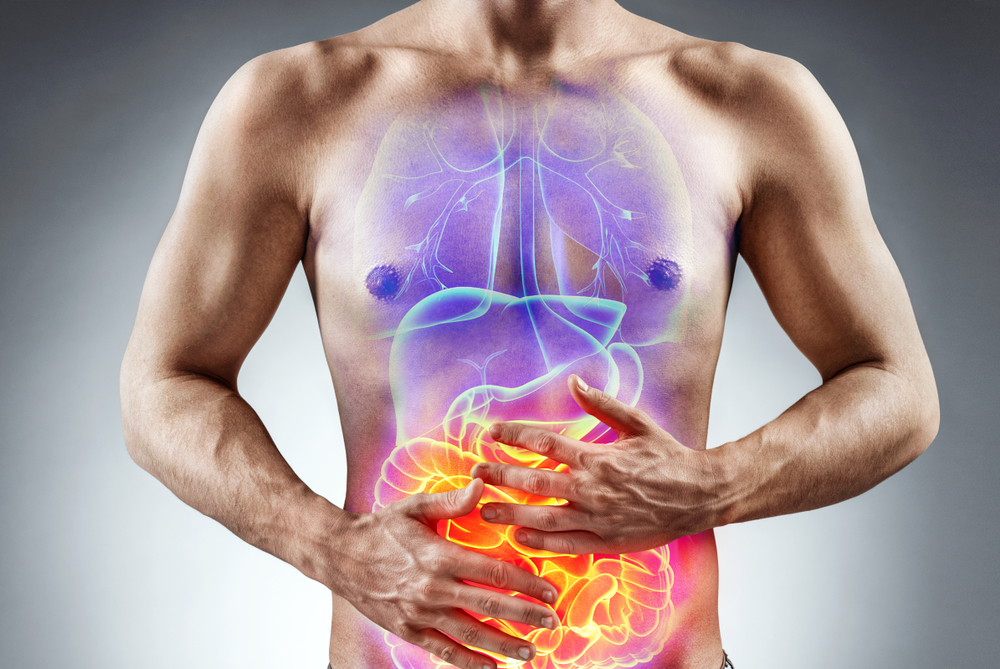
The human digestive tract houses a complex community of trillions of microorganisms, collectively known as the gut microbiome. While early medical science viewed digestion as a mechanical process designed purely to break down nutrients and expel waste, modern research demonstrates that this microbial ecosystem serves as a central command post for whole-body health. In fact, roughly seventy percent of the human immune system resides directly along the digestive tract in specialized structures known as gut-associated lymphoid tissue.
Because of this physical proximity, the microscopic inhabitants of your intestines communicate directly with circulating immune cells. When beneficial bacteria thrive, they reinforce the mucosal barrier of the intestine, synthesize vital chemical messengers, and train immune cells to differentiate between harmless environmental proteins and dangerous pathogens. Conversely, an imbalance in these microbial populations can degrade the intestinal lining, allow foreign toxins into the bloodstream, and trigger chronic systemic inflammation. Nurturing this internal garden through strategic nutrition is one of the most reliable ways to maintain resilient, long-term health.
The Direct Biological Link Between Digestion and Defense
The intestinal wall is a delicate, semi-permeable barrier comprised of a single layer of epithelial cells locked together by specialized protein complexes called tight junctions. This barrier must perform two contradictory tasks simultaneously: it must allow essential micronutrients, water, and electrolytes to pass through into the bloodstream while blocking toxins, undigested proteins, and harmful bacteria.
Beneath this cellular layer lies the majority of the human body’s defensive machinery. White blood cells, including dendritic cells, macrophages, and lymphocytes, constantly sample the contents of the gut lumen to determine what threats exist. Friendly gut microbes act as personal trainers for these immune responders. They outcompete harmful organisms for space and resources, secrete natural antimicrobial peptides, and produce short-chain fatty acids like butyrate, acetate, and propionate during the fermentation of dietary fiber. Butyrate, in particular, acts as the primary fuel source for the cells lining the colon, keeping the mucosal lining thick and resilient against breaches.
Cultured and Fermented Foods for Microbial Reinforcement
To maintain high microbial diversity, the digestive tract requires regular infusions of viable, live bacteria. Fermented foods have formed a staple of the traditional human diet for millennia, relying on spontaneous or controlled fermentation to preserve foods while generating therapeutic quantities of beneficial microbes.
Plain, unsweetened yogurt and traditional kefir stand out as two of the most accessible sources of live cultures. Kefir contains a broader spectrum of bacterial species and beneficial yeasts than standard yogurt, making it especially effective for colonizing the digestive tract. The regular consumption of these cultured dairy products introduces powerful strains like Lactobacillus and Bifidobacterium directly into the upper digestive system, displacing opportunistic microbes and encouraging a balanced intestinal pH.
Plant-based fermentations provide identical benefits alongside valuable dietary roughage. Raw, unpasteurized sauerkraut and kimchi deliver massive quantities of lactic acid bacteria directly to the lower intestine while supplying active sulfur compounds that stimulate the body’s natural cellular repair mechanisms. In addition, traditional Asian fermented soy products, such as tempeh and authentic miso paste, provide hearty doses of probiotic organisms alongside easily digestible plant proteins. When incorporating fermented foods into a daily routine, avoiding high cooking temperatures is essential, as heat rapidly kills these fragile living organisms before they can reach the digestive tract.
Prebiotic Fibers That Fuel Beneficial Bacteria
While fermented foods supply live bacterial strains, those organisms cannot flourish without an appropriate fuel supply. Prebiotics are specialized, non-digestible carbohydrates that bypass stomach acid and enzymes in the small intestine, arriving completely intact in the large colon. Once they reach the lower gut, beneficial bacteria ferment these fibers into healing short-chain fatty acids.
Alliums, including raw garlic, onions, leeks, shallots, and scallions, serve as exceptional sources of the prebiotic fibers inulin and fructooligosaccharides. In addition to feeding beneficial bacterial colonies, these plants contain allicin, a natural compound that exhibits broad-spectrum antifungal and antibacterial activity against pathogenic organisms without disrupting beneficial flora. Consuming these foods in both raw and gently cooked states ensures a steady, diverse delivery of protective compounds to the lower digestive tract.
Other powerful prebiotic vehicles include asparagus, slightly green underripe bananas, and Jerusalem artichokes. Underripe bananas and cooled cooked potatoes are particularly rich in resistant starch, a form of carbohydrate that functions identically to soluble fiber. Resistant starch ferments slowly along the entire length of the colon, producing a continuous stream of butyrate that dampens inflammatory responses and supports the structural integrity of the intestinal mucosal barrier.
Polyphenol-Rich Plant Foods for Intestinal Protection
Dietary fiber is not the only plant compound that alters the microbiome. Polyphenols, the natural micronutrients that give fruits, vegetables, and botanicals their deep hues and bitter notes, travel through the digestive system largely unabsorbed until they reach the colon. There, resident bacteria break these complex compounds down into smaller, highly bioavailable metabolites that suppress inflammation and neutralize oxidative stress.
Dark berries, particularly wild blueberries, blackberries, and pomegranate seeds, deliver exceptional concentrations of anthocyanins and ellagitannins. These compounds selectively encourage the proliferation of Akkermansia muciniphila, a specialized bacterial strain responsible for maintaining a healthy intestinal mucus layer. Diets rich in dark berries consistently correlate with a denser, more resilient intestinal lining that successfully resists inflammatory damage.
Similarly, high-grade green tea, pure dark cocoa, and extra-virgin olive oil supply abundant polyphenol fractions that serve as prebiotic-like compounds. Catechins found in green tea, alongside oleuropein and oleocanthal in raw olive oil, act as natural deterrents against opportunistic pathogens while stimulating the natural production of secretory immunoglobulin A, an essential antibody that lines mucosal surfaces and neutralizes circulating viruses.
Bone Broths and Collagen Sources for Structural Repair
Sustaining a healthy microbiome requires more than feeding bacteria; it also requires providing the human body with the specific amino acid building blocks necessary to maintain and repair the intestinal lining itself. The gut wall turns over its cellular lining every few days, making it one of the most metabolically demanding tissues in the human body.
Traditional bone broths made from slow-simmered poultry or bovine bones provide high concentrations of gelatin, collagen, glycine, and glutamine. L-glutamine serves as the primary metabolic fuel for enterocytes, the cells that form the small intestine. By providing an immediate source of cellular energy, glutamine accelerates the closure of damaged tight junctions, preventing foreign food antigens from escaping the gut and triggering unwanted immune reactions.
The glycine found abundantly in bone broth and connective tissue cuts of meat also stimulates stomach acid production, supports healthy bile flow from the liver, and aids in liver detoxification. Maintaining robust digestive secretions upstream guarantees that food breaks down completely, preventing undigested particles from putrefying in the lower digestive tract and altering the delicate balance of intestinal flora.
Daily Habits That Protect the Gut Environment
Nourishing the digestive system requires a defensive strategy just as much as an offensive one. Even the most targeted diet can struggle to maintain a balanced microbiome if environmental factors constantly disrupt the intestinal ecosystem. Chronic psychological stress directly shifts the balance of gut flora through the vagus nerve, causing rapid alterations in gut motility and blood flow that leave the intestinal wall susceptible to microbial degradation.
The excessive intake of ultra-processed foods, refined sugars, artificial sweeteners, and industrial seed oils acts as an abrasive force against the gut barrier. These compounds selectively nourish harmful microbes that degrade protective mucus, giving opportunistic pathogens direct access to the underlying epithelial cells. Prioritizing consistent, restorative sleep, moderating alcohol consumption, staying well-hydrated, and building meals around unrefined whole foods creates an optimal physiological environment for a healthy microbiome and a resilient immune system.
Frequently Asked Questions
What are the earliest warning signs of an unhealthy gut microbiome?
The earliest indications of gut imbalance frequently manifest outside the digestive tract. While gas, bloating, and irregular bowel movements are common, many people first notice persistent brain fog, unexplained skin flare-ups such as eczema or adult acne, heightened joint discomfort, and frequent mild respiratory illnesses. Unexplained sugar cravings and persistent fatigue after meals can also indicate that opportunistic yeasts or bacteria are dominating the gut environment.
How quickly can changes in diet alter the composition of gut bacteria?
The intestinal microbiome is exceptionally dynamic and responds rapidly to nutritional interventions. Scientific analyses reveal that noticeable shifts in microbial species and their metabolic output can occur within twenty-four to forty-eight hours of a significant dietary change. However, permanently shifting your microbial baseline and repairing degraded mucosal tissue takes sustained commitment over several weeks or months of consistent whole-food nutrition.
Can commercial probiotic supplements replace the need for fermented foods?
Commercial probiotic capsules can be helpful therapeutic tools during acute situations, such as recovering from antibiotic therapy, but they do not serve as a direct replacement for fermented foods. Whole fermented foods provide a complex matrix of organic acids, enzymes, peptides, vitamins, and hundreds of diverse bacterial strains living in symbiotic harmony. Most shelf-stable supplements provide only a small handful of isolated, lab-grown strains that often fail to establish permanent colonization without the ongoing dietary fiber and nutrients found in whole foods.
Does the way food is cooked impact its value to the microbiome?
Cooking methods alter how starches and fibers behave during digestion. Intense boiling can leach water-soluble prebiotic compounds into the cooking water, whereas high-temperature frying can generate advanced glycation end products that irritate the intestinal wall. Conversely, gentle steaming softens tough plant cellular structures, making the fibers easier for a compromised digestive tract to tolerate. Cooling cooked starchy foods, such as rice and potatoes, in the refrigerator before consumption increases their resistant starch content, which provides superior fuel for colon-dwelling bacteria.
Why do some people experience severe gas and bloating after eating prebiotic foods?
When individuals with an imbalanced microbiome or conditions like small intestinal bacterial overgrowth introduce large quantities of fermentable fibers too quickly, resident bacteria ferment those sugars rapidly, producing large volumes of hydrogen and methane gas. This reaction does not indicate that prebiotic foods are inherently harmful, but rather that the gut requires a gentler, more gradual introduction of these compounds alongside temporary digestive support while the underlying microbial balance stabilizes.
How do environmental factors like tap water impact the microbiome?
Municipal tap water contains chemical sanitizers, such as chlorine and chloramines, explicitly designed to eliminate bacterial life and prevent waterborne illness. While these sanitizers protect public safety, consuming heavily chlorinated water without adequate home carbon filtration can exert a mild, persistent antimicrobial effect on the delicate flora inhabiting the mouth, stomach, and upper intestines over time.
Do regular fasting routines support gut health and immunity?
Intermittent fasting gives the digestive tract an extended break from metabolic work, activating a cleansing process known as the migrating motor complex. This cyclic electrical wave sweeps through the stomach and small intestine during fasting windows, clearing out trapped food debris, dead epithelial cells, and lingering bacteria. Allowing the digestive tract several hours of uninterrupted rest daily prevents bacterial overgrowth in the small intestine, reduces systemic inflammation, and allows the mucosal barrier to repair itself efficiently.