

Human beings frequently attempt to resolve emotional distress entirely within the mind. When grief, anger, heartbreak, or anxiety strikes, the conventional instinct is to analyze, intellectualize, rationalize, or suppress those uncomfortable internal states. Yet anyone who has spent sleepless nights ruminating over personal turmoil knows that purely cognitive strategies have distinct limitations. Emotions are not merely abstract thoughts hovering in the cerebral cortex; they are physiological events that alter heart rate, constrict blood vessels, tighten muscles, and shift breathing patterns. When cognitive tools fail to bring relief, the physical body offers an accessible, transformative doorway toward genuine emotional resolution.
This is precisely where the ancient, embodied practice of yoga proves invaluable. Far beyond a system of aesthetic poses or physical fitness, yoga serves as an intentional somatic methodology for personal self-regulation. By integrating targeted physical postures, rhythmic breath modulation, and anchored mindful awareness, yoga creates a safe laboratory for meeting, experiencing, and releasing deep emotional weight. Engaging the physical vessel directly allows practitioners to bypass mental loops, gently releasing emotional patterns that words alone cannot resolve.
The Somatic Reality of Difficult Emotions
To appreciate how physical movement aids internal healing, one must first recognize the somatic architecture of human emotion. When a challenging circumstance arises, the autonomic nervous system mobilizes instantly. The sympathetic branch triggers a cascade of neurochemicals, flooding the bloodstream with adrenaline and cortisol. In response, skeletal muscles reflexively clench to prepare the body for defensive action. The shoulders creep upward toward the ears, the diaphragm restricts, the pelvic floor contracts, and the hip flexors tighten.
Under ideal conditions, once an external stressor subsides, the parasympathetic nervous system activates, prompting tissues to release this muscular guarding and return the system to homeostasis. In modern environments, however, emotional stressors are rarely singular physical threats that resolve rapidly. Complex grief, interpersonal betrayal, financial strain, and chronic social anxiety remain unresolved for weeks, months, or even years. Without an intentional physical outlet, the neuromuscular tension created by these experiences becomes habitual, essentially locking past distress directly into fascial layers and posture. Over time, this unresolved tension manifests as chronic neck pain, shallow breathing, lower back fatigue, digestive disturbances, and persistent emotional exhaustion.
Bypassing the Cognitive Resistance Loop
A major challenge in processing difficult feelings through cognitive reflection alone is the tendency to fall into mental loops. When individuals attempt to think through an emotional crisis, the brain often defaults to rumination, self-criticism, catastrophic forecasting, and obsessive storytelling. People construct elaborate mental narratives about why an event occurred, who is at fault, and how terrible the future might be. These ongoing mental scripts re-stimulate the sympathetic nervous system continuously, generating fresh waves of physical distress in an exhausting feedback loop.
Yoga interrupts this destructive cycle by redirecting attention from the intellect to immediate physical sensation. Instead of asking what an emotion means or trying to justify its presence, a mindful yoga practice asks where that emotion lives in the body right now. Does it feel like a heavy constriction across the sternum, a hollow knot in the gut, or a fiery tension around the jaw? By focusing squarely on raw somatic sensations without weaving additional mental narratives, you step out of the mind and enter direct sensory contact with the body. This fundamental pivot shifts neurological activation away from the overstimulated default mode network toward regions responsible for present-moment interoception, paving the way for emotional release.
Regulating the Nervous System via Breathwork
The breath represents the primary bridge connecting the conscious mind to the autonomic nervous system. When difficult feelings take hold, breathing shifts into a shallow, rapid, upper-chest rhythm. This restricted breathing pattern sends reciprocal signals through the vagus nerve back to the brain, reinforcing vigilance and emotional unease. Left unaddressed, breathing patterns mimic a state of crisis even when immediate physical safety is present.
In yoga, conscious breathing, known historically as pranayama, reverses this dynamic. Techniques emphasizing slow, deep diaphragmatic inhalation paired with lengthened exhalations actively stimulate the ventral branch of the vagus nerve. The vagus nerve acts as the primary braking system for physical arousal, directly downregulating heart rate, moderating blood pressure, and signaling internal safety to the brainstem. By systematically elongating the exhalation during postures like child’s pose, supported forward folds, or legs-up-the-wall, practitioners manually switch their physiology out of sympathetic hyperarousal and into parasympathetic rest. In this grounded physiological state, the nervous system feels safe enough to tolerate vulnerable emotional experiences without shutting down.
Working with Common Storage Centers for Emotional Armor
Different parts of the human musculoskeletal structure react uniquely to specific emotional strains, developing patterns of physical guarding that restrict natural mobility. Yoga utilizes targeted postures to address these common structural storage centers, encouraging deep fascial unwinding.
The hips represent one of the most prominent emotional storage areas in the body. The primary hip flexors, particularly the psoas major, link the lumbar spine directly to the lesser trochanter of the femur. Evolutionarily, these deep-seated core muscles flex the legs forward to sprint, fight, or pull the body into a protective fetal position during acute danger. Chronic stress and suppressed distress cause the psoas and surrounding pelvic musculature to remain in a state of sustained contraction. Poses that gently open the hips, such as pigeon pose, reclining bound angle, and low lunges, gently challenge this deeply held guarding pattern, often releasing long-buried feelings of fear, vulnerability, or unexpressed grief.
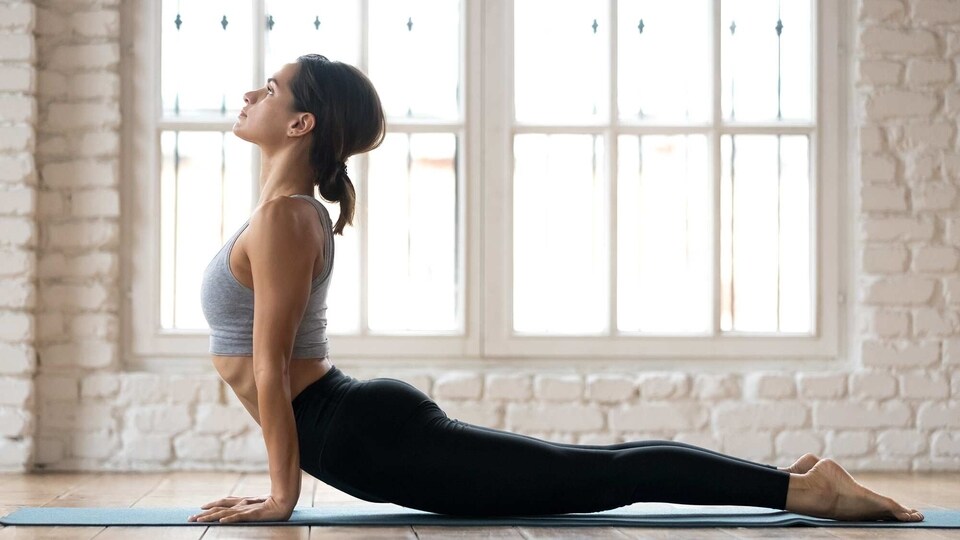
The chest, shoulders, and upper thoracic spine serve as another frequent defensive armor. When feeling unappreciated, defensive, or wounded, people instinctively round their shoulders inward to protect the vital organs of the heart and lungs. Heart-opening postures like bridge pose, sphinx, and supported fish open this concave posture, exposing the throat and chest. By safely reversing defensive physical postures, practitioners can work through lingering sorrow, vulnerability, and suppressed heartache, meeting those sensations with open physical posture.
Developing Interoceptive Awareness and Tolerance
One of the greatest gifts of sustained yoga practice is the cultivation of robust interoceptive awareness, which is the ability to accurately perceive, identify, and tolerate internal visceral signals. Many people suppress challenging emotions simply because the physical sensations accompanying them feel entirely overwhelming. A rising tide of panic or the heavy weight of sorrow can feel so threatening that distraction, avoidance, or self-medicating behaviors seem like the only options for relief.
On the yoga mat, practitioners learn to build internal tolerance within a controlled setting. When resting in a deep, challenging posture, sensations inevitably intensify. Discomfort, heat, and restlessness will rise. Rather than immediately fleeing the posture or reacting impulsively, you are guided to ground down, breathe slowly, and observe the rising sensation objectively. This experiential training teaches the nervous system that uncomfortable sensations can crest, peak, and dissolve naturally on their own. Learning to stay present through physical challenge translates directly off the mat, empowering you to navigate waves of anger, disappointment, and sorrow in everyday life without panicking.
The Crucial Role of Restorative Stillness and Release
Dynamic movement is valuable for discharging excess restless energy, but the deepest emotional integration typically occurs during deep stillness. Active flow sequences heat the muscles, clear physical sluggishness, and help focus the mind, preparing the body to settle into supported restorative postures without resistance.
Restorative yoga uses supportive props like bolsters, folded blankets, and blocks to hold the body in passive postures for extended intervals without muscular exertion. When physical effort ceases entirely and the skeleton is fully supported, the muscular system relinquishes its habitual defense patterns. The final resting posture, savasana, functions as an essential period of emotional digestion. Lying flat, supported by the earth, the conscious mind lets go of doing, striving, and fixing. In this deep stillness, the subconscious mind integrates the emotional shifts of the practice, allowing mental clarity, perspective, and peace to emerge.
Frequently Asked Questions
What should a student do if an overwhelming wave of crying happens during a yoga class?
Crying during yoga is a completely normal biological release that happens frequently when stored physical tension unbinds. If tears arise, give yourself permission to experience the release without embarrassment or shame. You can drop down into a resting pose like child’s pose, close your eyes, breathe gently, and let the emotional energy pass through your system at its own pace.
Is it advisable to practice vigorous, fast-paced yoga when experiencing severe emotional grief or trauma?
Vigorous, high-intensity flow classes can sometimes elevate sympathetic nervous system arousal, potentially worsening feelings of anxiety, grief, or hypervigilance. While light movement helps discharge initial agitation, individuals moving through acute grief or trauma often find gentler, grounding practices like yin yoga, restorative yoga, or slow hatha far more supportive and stabilizing for the nervous system.
How can someone distinguish between healthy emotional discomfort and an actual physical injury while in a posture?
Healthy emotional discomfort usually manifests as muscular dullness, deep stretching, warmth, or a feeling of vulnerability, and it tends to soften as you breathe steadily. Physical injury warning signs, by contrast, are distinctly sharp, pinching, electric, throbbing, or localized around joint capsules and ligaments; if you feel any sharp sensations, back out of the posture immediately.
Can practicing yoga on a regular basis trigger memories of past unresolved events?
Because memory networks are closely linked to somatic states, releasing chronic physical contraction in certain muscle groups can occasionally bring forgotten impressions, sensations, or emotional memories to the surface. Approaching your practice with patience, working with a trauma-informed instructor, and pairing yoga with professional mental health therapy provides a safe framework for working through any memories that arise.
How frequently should someone practice yoga to experience meaningful emotional regulation benefits?
Consistency matters far more than duration when it comes to regulating the nervous system. Practicing for fifteen to twenty minutes four or five days a week establishes a steady, reliable rhythm that supports vagal tone and emotional balance far more effectively than attending a single ninety-minute intensive session once a week.
Why do hip-opening poses seem to provoke significantly stronger emotional responses than other postures?
The hip girdle houses major postural muscles like the psoas, which contract automatically during evolutionary fight, flight, or freeze reflexes. Because social conventions often discourage us from physically running or striking when stressed, defensive energy gets stored in the hips, making poses that open this area uniquely powerful for emotional release.
What should an individual do immediately after a yoga session if they feel emotionally tender or raw?
If a practice leaves you feeling tender, treat the following hour with deliberate care. Drink a glass of room-temperature water, bundle up in warm, comfortable clothing, and minimize exposure to bright screens, chaotic social environments, or demanding tasks. Taking a quiet walk outdoors or jotting down your thoughts in a journal can help your system ground and integrate the experience before you step back into your daily routine.