

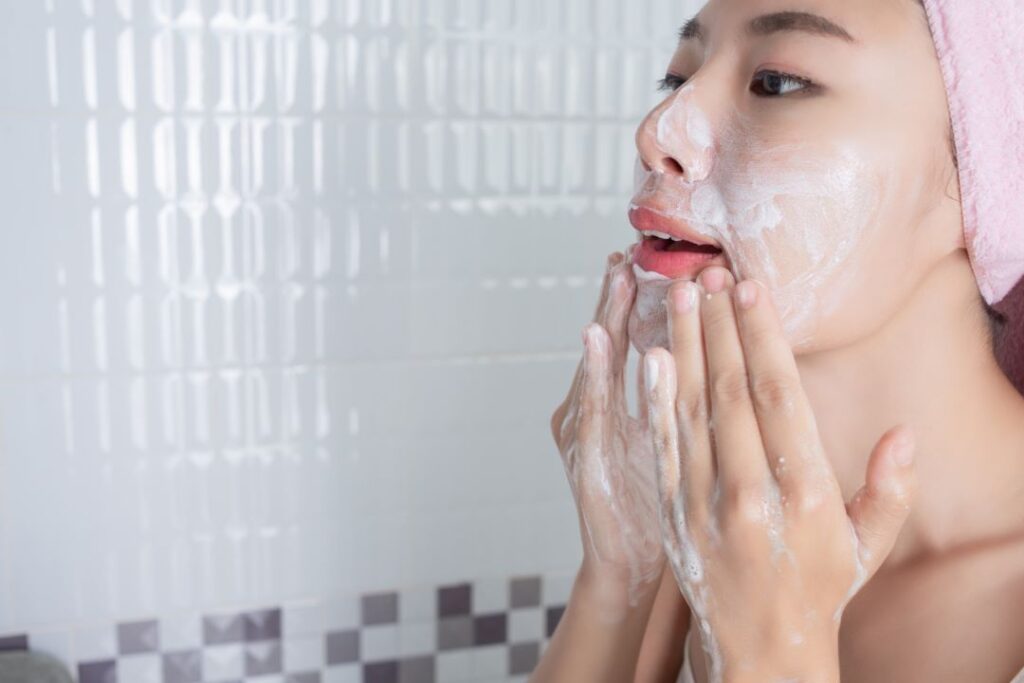
Skincare trends often come and go with the seasons, but occasionally an approach surfaces that completely reshapes how people care for their faces. Double cleansing is precisely one of those methods. Originating as an essential ritual in traditional Japanese and Korean beauty regimens, this two-phase washing technique has become a gold standard for dermatologists, estheticians, and skincare enthusiasts across the globe. Rather than relying on a single, harsh wash to strip away everything resting on the skin, double cleansing approaches purification with intention, balance, and scientific sense.
The concept sounds deceptively simple on paper. It involves using two distinct types of cleansers in immediate succession, typically beginning with a lipid-rich formula and finishing with a water-based wash. While washing twice might initially seem excessive or time-consuming, the real-world results tell a far different story. When executed properly, this technique thoroughly dislodges stubborn impurities that standard washes leave behind, all without disrupting the delicate cutaneous barrier.
The Chemistry Behind the Cleanse
To grasp why double cleansing works so effectively, you have to look at the fundamental chemistry of the skin and the products applied to it. The surface of your face collects two separate categories of debris throughout the day: oil-based impurities and water-based impurities. These substances possess completely different molecular properties, meaning they react in fundamentally different ways when exposed to water.
Oil-based residues include your skin’s naturally produced sebum, long-wearing cosmetic foundations, waterproof mascaras, silicones, and water-resistant sunscreen agents. Basic chemistry dictates that like dissolves like. Water and oil repel each other naturally. When you splash plain water on a greasy surface, the water merely beads up and rolls off without lifting the lipid layer.
A traditional foaming or gel cleanser is primarily water-based and relies on water-soluble surfactants to produce lather. When applied directly over a thick layer of oil-based sunscreen or heavy makeup, that water-based cleanser simply glides over the oily film, struggling to break through the surface barrier. The result is an incomplete clean that traps dissolved makeup and degraded oils deep inside the follicles, creating an ideal breeding ground for congestion.
Step One: Dissolving the Stubborn Layer
The opening step of double cleansing relies entirely on a dedicated oil cleanser, cleansing balm, or micellar formula applied directly to dry skin. This initial step is not meant to replace your normal wash, but rather to function as a specialized solvent.
As you gently massage the oil cleanser onto dry skin with dry hands, the product bonds directly with the excess sebum pooling in your pores, alongside the waxes, oils, and polymers present in your daily cosmetics. Instead of dragging and pulling at delicate skin tissue with abrasive cotton rounds, the rich slip of an oil or balm allows your fingers to melt away stubborn pigments effortlessly. Even modern water-resistant sunscreens, engineered specifically to cling to the epidermis through sweat and friction, yield quickly to this lipid-dissolving action.
Modern oil cleansers contain emulsifiers that change how the product behaves when it meets water. Once you have thoroughly worked the oil across your face, you introduce a splash of lukewarm water. The formula immediately transforms into a milky, fluid emulsion that rinses away cleanly without leaving a greasy, suffocating residue behind. This first phase clears away the surface shield, leaving the skin bare and ready for deep, targeted cleansing.
Step Two: Purifying the Pores
Once the heavy cosmetic and lipid layer has been lifted and rinsed away, the second phase begins. This step uses a water-based cleanser, which might be a gentle foaming gel, a light cream wash, or a silky lotion tailored to your specific skin concerns.
Because the first cleanser has already cleared away the physical barrier of sebum, makeup, and sunscreen, the second wash can finally make direct contact with the bare skin and open follicle openings. Now, the water-based surfactants can target water-soluble debris, including airborne dust particles, environmental pollution residues, dead skin cells, and dried sweat.
Without having to fight through an oily shield, the active ingredients inside your secondary cleanser—such as salicylic acid, tea tree oil, soothing botanical extracts, or hydrating glycerin—can actually penetrate to the depths where they are most helpful. The skin receives a genuine, thorough cleanse without requiring aggressive scrubbing, leaving the surface refreshed, soft, and balanced.
Preventing Congestion and Breakouts
Pores do not become clogged overnight. Blackheads, whiteheads, and inflammatory acne typically develop through a slow, quiet process of accumulation. When naturally produced sebum combines with lingering dead skin cells and traces of daily makeup that were never completely washed away, the mixture forms a sticky plug inside the follicle known as a microcomedone. Once oxygen interacts with this trapped plug, it oxidizes into a dark blackhead; if bacteria proliferate within the enclosed space, painful inflammation follows.
Double cleansing acts as an effective preventive measure against this cycle of congestion. By thoroughly dissolving the sticky lipid matrix every single evening, you eliminate the foundational building blocks of clogged pores. Furthermore, oil cleansers are uniquely capable of softening existing hardened sebum plugs, making them easier to wash away naturally over time without resorting to damaging pore strips or aggressive manual extractions.
Over a few weeks of consistent double cleansing, many individuals notice a visible reduction in the texture of their skin. Rough, bumpy patches begin to smooth out, and enlarged pores appear significantly smaller and more refined simply because they are no longer stretched wide by trapped, oxidized debris.
Protecting and Supporting the Moisture Barrier
A widespread misconception in skincare is that oily or acne-prone skin must be stripped squeaky-clean to stay clear. In reality, that squeaky feeling is a warning sign that the stratum corneum, your skin’s vital moisture barrier, has been compromised. Traditional single cleansers formulated to remove stubborn makeup and oil all on their own often rely on harsh, aggressive surfactants that wash away your skin’s essential ceramides, fatty acids, and natural moisturizing factors alongside the dirt.
When this protective barrier is stripped away, microscopic cracks form in the skin surface, leading to rapid moisture loss, redness, irritation, and heightened sensitivity. Paradoxically, the skin frequently responds to this sudden dehydration by pumping out even more sebum to compensate for the lost moisture, worsening the exact oiliness and breakouts you were trying to eliminate.
Double cleansing circumvents this problem by using two gentle products working in harmony rather than one aggressive formula working alone. The initial oil cleanse nourishes and softens the skin while breaking down debris, ensuring the barrier remains cushioned. The secondary water-based cleanser only needs to be mild and hydrating, since it no longer has to tackle heavy pigments or tough sunblock. This dual approach leaves the natural moisture barrier intact, resilient, and fully functional.
Maximizing the Value of Your Skincare Routine
Beyond keeping your skin clear and comfortable, double cleansing dramatically enhances the performance of every product applied afterward. Skincare is an investment, and high-performance serums, essences, retinoids, and moisturizers cannot perform their intended functions if they are forced to sit on top of a microscopic film of leftover residue.
When your skin is truly clean, its permeability increases substantially. Active ingredients like hyaluronic acid can draw water deep into the epidermis without obstruction, while cell-communicating agents like retinol and peptides can absorb evenly without encountering patchy resistance. You end up needing less product to achieve better outcomes, effectively maximizing the return on your entire skincare regimen.
Frequently Asked Questions
Can double cleansing cause purging or make breakouts worse initially?
Double cleansing itself does not speed up cellular turnover, so it does not cause true skin purging the way chemical exfoliants or retinoids do. However, if your skin experiences an increase in breakouts after starting this routine, it usually means the initial oil cleanser is not being rinsed away completely, or the chosen formula contains heavy, pore-clogging carrier oils that do not suit your skin type. Ensuring the oil emulsifies into a milky texture and rinses away entirely prevents this issue.
Is double cleansing necessary if someone spends the entire day indoors without wearing any cosmetics?
Even when you stay indoors all day, your skin continuously secretes sebum, sheds dead cells, and gathers airborne household dust. If you applied morning skincare, particularly a daily sunblock or rich moisturizer, those ingredients still break down and trap environmental particles on the skin. A full double cleanse in the evening remains beneficial, though you can use a lighter amount of cleansing oil or a gentle micellar water for the first step on low-exposure days.
Does the morning routine also require a two-step double cleanse?
A double cleanse is rarely needed in the morning because your skin has not been exposed to external pollution, long-wear cosmetics, or heavy daytime sunscreens while you slept. During the night, your face only accumulates light perspiration, overnight skincare residues, and natural sebum. A single gentle water-based wash, or even a simple rinse with lukewarm water for drier skin types, is more than sufficient to prepare your face for daytime products.
What temperature of water should be used when rinsing both cleansers?
Lukewarm water is the ideal choice for both phases of the double cleanse. Water that is too hot can strip natural lipids from the surface, dilate facial capillaries, and trigger inflammation and dry patches. Conversely, water that is excessively cold prevents the emulsifying agents in the oil cleanser from activating properly, making it difficult to rinse away the dissolved debris and leaving an unwanted residue on the face.
Can someone with naturally oily or acne-prone skin safely use an oil cleanser?
Using an oil cleanser on naturally oily skin is completely safe and often highly beneficial. Excess facial sebum is an oil, and using a lightweight, non-comedogenic oil cleanser helps dissolve and lift that hardened sebum out of the pores far more effectively than water alone. As long as the formula includes balanced emulsifiers that allow it to wash away cleanly, it will balance natural oil production rather than adding greasy heaviness to the face.
How long should each cleansing step take to be truly effective?
The first step of massaging the cleansing oil or balm over dry skin should take approximately sixty seconds, giving the lipids enough time to bond with and dissolve stubborn sunscreens, waxes, and pigments. After rinsing, the second water-based wash should also be worked into the skin for around thirty to sixty seconds, focusing gently around the nose, chin, and hairline before a final thorough rinse. Taking this measured time ensures complete cleansing without aggressive friction.
Is it possible to use a natural kitchen oil like pure olive or coconut oil for the first step?
Pure kitchen oils are not formulated for facial double cleansing because they completely lack cosmetic emulsifiers. While they can dissolve makeup on contact, they cannot bond with water to rinse away, leaving a persistent, pore-clogging film across your face that a standard second cleanser cannot easily remove. Furthermore, oils like unrefined coconut oil carry high comedogenic ratings that frequently cause stubborn congestion and breakouts on facial skin.